Understanding Restaurant Equipment: A Variety of Fryers
May 15, 2018You may think of a fryer as a simple machine with a basket and hot oil.
If you do, you don’t quite understand this restaurant equipment. You’re missing out on the enormous range of different fryers available! The truth is there are four very different types of commercial fryers, each with their own ideal uses and space requirements. So whether you own a food truck, a small store, or a large restaurant, you can find a fryer perfect for you!
Tube Fryer
A tube fryer has a series of tubes running through the bottom of the vat. They house gas-powered burners, allowing even heat distribution and good energy efficiency. A tube fryer is highly versatile and has a large “cold zone” where sediment from fried items can settle without burning. The cold zone is below the tubes, however, which can make it hard to reach and clean that area. Also, the cold zone still has oil, which means that a large cold zone uses a lot of oil that could be heated for cooking. A tube fryer is ideal restaurant equipment for high-sediment fried items like breaded cheese sticks, breaded fish, or other non-battered items. Because they are versatile, if you only have room for one fryer, this may be the best choice.
Open Pot Fryer
Open pot fryers have no tubes, heaters, or other elements inside the fryer. The bottom is wide open and easy to access and clean. The fryer narrows at the bottom into a “V” shape, which is where the cold zone is located. The cold zone is relatively small, which makes an open pot fryer better for low-sediment cooking. Things like French fries, hash browns, or other non-breaded items are ideal. The heating element is outside the fryer, which means that it can be less energy efficient. However, it is more reliable than a tube fryer, because you don’t have baffles – which can fail – inside tubing to distribute heat.
This easy to clean restaurant equipment is a great choice if you don’t cook a lot of highly breaded items.
Flat Bottom Fryer
A flat bottom fryer is the perfect restaurant equipment for a restaurant or food cart that relies on wet batter and dough. If you spend your time cooking donuts, tempura, onion rings, or battered fish and chicken, this is the fryer you need. Heating elements in a flat bottom fryer are located outside on the bottom of the frypot. The entire bottom surface is a heat-transfer area, and there is no cold zone. Any sediment that falls off of food will continue to cook and burn, so this fryer is not a good choice for breaded items. Also, because of the design, it’s not well-suited for high-volume frying. It needs frequent filtering, but is popular on food trucks and concession stands because they are perfect for battered foods.
Electric Burner Fryers
Have a small space but still need a fryer for some food items? Or maybe you want to fry, but don’t have access to a gas outlet? An electric burner fryer can be perfect. The frypot is quite different – the burners are actually right in the oil itself. They are the most heat-efficient fryers and can recover their temperature much more quickly than the larger gas fryers we’ve covered so far. There is a cold zone below the burners, and the size of the cold zone can vary. This will be a consideration based on how much breaded food you choose to cook. The electric heating elements often lift out or hinge up to allow for easier cleaning. If you want an energy efficient model available in countertop size, the electric burner fryer can be exactly the restaurant equipment you need. Be sure to get a lift out or hinging burner model, however, to avoid frustration while cleaning!
Get the Right Restaurant Equipment Today
Choosing the right fryer for your restaurant doesn’t have to be overwhelming. We can help! Now that you understand the best fryers for each type of cooking, you can get quotes on the exact equipment you need. Contact us today for quotes and availability!
6 Keys to Choosing the Best Chafing Dishes for Your Restaurant
The chafing dish, also known as the chafer, is an essential piece of restaurant equipment for any establishment that wants to keep food hot. This type of restaurant equipment gets its name from the French word, chauffer, which means to heat, and it’s easy to see why....
Turning up the Dial on Commercial Fryers: How to Choose One for Your Restaurant
Fried food is a well-loved favorite. This is a fact. It also makes a fryer an important piece of equipment to have in your commercial kitchen. Just consider how many appetizers and sides require frying: onion rings, French fries, and fried green tomatoes are just a...
What’s in a Cooking Pot, How to Choose the Right One?
As a restaurant owner, your cooking needs might vary. Did you know that a good quality pot can greatly improve your cooking experience, while also improving the quality of your cooking? This cooking equipment is a very important one that cannot be done away with...
5 Things Every Restaurant Owner Should Do Before Buying Used Kitchen Equipment
Equipping your restaurant properly can cost a lot of money, so buying used kitchen equipment is the go-to choice for many restaurateurs. Buying used kitchen equipment for a restaurant is a bit different than buying used equipment for your home, however. You will...

Top Restaurant Technology Trends in 2018
When looking to buy restaurant supplies, you want to be on the leading edge of technology trends. This will keep your kitchen running smoothly. Let’s take a look at some of the most recent trends in restaurant supplies technology. 1. New Payment Options Who would...
5 Different Ice Shapes and Why You Should Care About Them
Ice makers are very popular in the restaurant and foodservice community because they eliminate the need to buy ice every day. And of course, adding an ice maker to your collection of foodservice equipment means you will always have ice on hand when you need it. An...

Pulping and Grinding: A Starter’s Guide to Reducing Commercial Food Waste Costs
For most restaurant owners and managers, the expenses involved in making meals are always under careful consideration. Water is needed to prepare, cook and wash food; power is necessary for food prep, cooking and cooling, and so on. However, how many of us consider...
Choosing the Right Milk Cooler: Cold Wall or Forced Air?
In a restaurant, milk is an essential to have on hand for coffee and other café-style beverages, for serving with kids’ meals, and as a key ingredient in many recipes. Keeping your milk properly chilled can be difficult without the proper restaurant equipment....
How to Choose Your Next Commercial Meat Smoker
The movies that connect with us on a personal level are the ones that linger in our memories forever. Anyone who has used a commercial meat smoker knows that they have a huge influence on the taste of a meal. You need to have just the right kitchen equipment to get a...
Are High Speed Ovens Too Good to be True?
You might have heard a few of the bold claims that foodservice equipment manufacturers have been making about high speed ovens, but they can’t be possible, right? Cooking three times as faster as regular ovens? Five times as fast? Fifteen times as fast? It may seem...

Choosing the Right Food Storage Containers for Your Restaurant
Choosing the right kitchen supplies will make a difference in your restaurant. Whether it is heavy duty kitchen equipment or food storage containers, each piece of equipment plays its own important role. Today, we are going to talk about how to choose the right food...
Tipton’s Guide to Perfect Poultry Trussing
Do you ever truss birds in your commercial kitchen? Trussing is a fantastic cooking technique because it makes poultry cook faster, look more attractive and taste better. If your commercial kitchen prepares poultry, you don’t want to miss these trussing tips. Trussing...
How to Eliminate Excess Condensation in Your Kitchen
Is your commercial kitchen getting steamy? If so, you could have more than just an uncomfortable working environment on your hands. Excess moisture in your commercial kitchen can result in the corrosion of equipment, the development of mold, and even damage to your...
The DIY Guide to Your Restaurant’s Own Garden
Stocking your restaurant supply with your own home-grown herbs and produce can truly bring your dishes to life. When it comes to food, everyone knows there’s nothing like homemade and home-grown. Having your own culinary garden, however large or small, can help you...
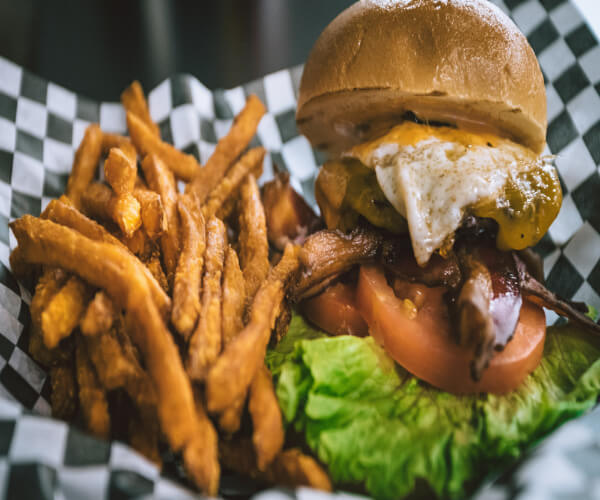
5 Reasons a Meat Grinder Will Set Your Burgers Apart
The more you do to prepare your foods in-house with the right kitchen equipment, the fresher and more flavorful your dishes become. There are all sorts of restaurants offering fast-food style burgers, but some diners are looking for the real deal. A fresh, juicy...